Proper Electronic Waste Disposal: A 2026 Guide to Eco-Friendly Practices
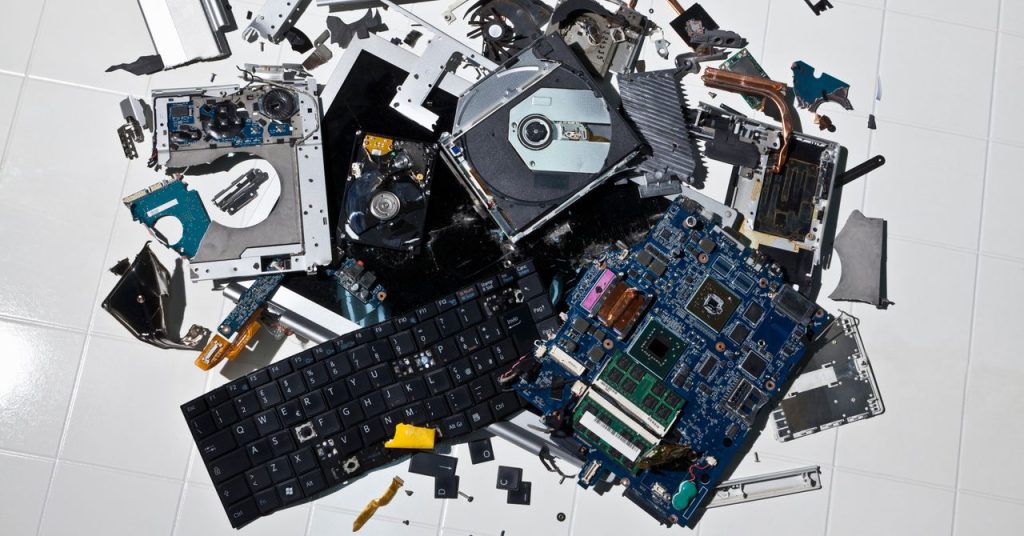
As technology continues to evolve rapidly, the challenge of managing electronic waste has become increasingly critical for environmental sustainability. With millions of devices reaching the end of their useful life each year, understanding proper disposal methods is essential for protecting our planet and communities.
Understanding Electronic Waste
Electronic waste, commonly referred to as e-waste, encompasses any discarded electrical or electronic devices. This includes smartphones, laptops, tablets, televisions, gaming consoles, and household appliances. These items often contain valuable materials like gold, silver, and rare earth elements, alongside potentially harmful substances such as lead, mercury, and cadmium.
Environmental Impact of Improper Disposal
When electronics end up in landfills, toxic materials can leach into soil and groundwater systems, creating long-term environmental hazards. Additionally, valuable resources are lost when devices are not properly recycled, contributing to increased mining demands for new materials.
Responsible Disposal Methods
Manufacturer Take-Back Programs
Many technology companies now offer take-back initiatives where consumers can return old devices directly to the manufacturer. These programs often provide convenient mail-in options or drop-off locations at retail stores.
Certified E-Waste Recycling Centers
Professional recycling facilities specialize in safely dismantling electronic devices and recovering valuable materials. Look for centers certified by recognized organizations to ensure proper handling of hazardous components.
Retailer Trade-In Programs
Major electronics retailers frequently accept old devices when customers purchase new ones. Some programs offer store credit or discounts as incentives for responsible disposal.
Data Security Considerations
Before disposing of any device containing personal information, ensure all data is completely wiped. This includes performing factory resets, removing storage drives, or using professional data destruction services for sensitive information.
Donation and Refurbishment Options
Functional electronics can often find new life through donation to schools, community centers, or charitable organizations. Many nonprofits specialize in refurbishing donated devices for redistribution to underserved communities.
Preparing Electronics for Disposal
Remove all personal accessories, cables, and batteries before disposal. Check local regulations regarding battery disposal, as these often require separate handling due to their chemical composition.