Oil Prices Drive Dollar Movements as Middle East Tensions Escalate
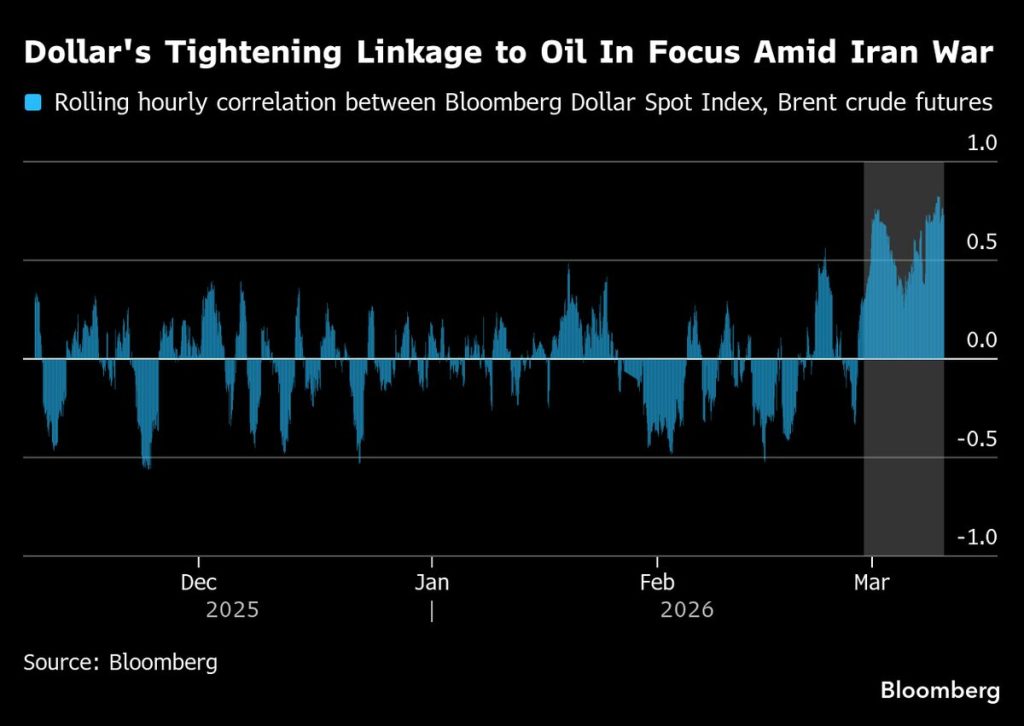
The United States dollar’s performance in global currency markets has become increasingly dependent on one critical variable amid escalating Middle Eastern conflicts: petroleum pricing fluctuations.
As military tensions intensify across the region, foreign exchange traders are witnessing an unprecedented correlation between crude oil valuations and the greenback’s strength. This relationship has emerged as the dominant force shaping currency movements, overshadowing traditional economic indicators that typically influence dollar trading.
The heightened geopolitical instability has created a scenario where energy market dynamics directly translate into currency volatility. When oil prices surge due to supply concerns or regional disruptions, the dollar’s trajectory follows suit, demonstrating the interconnected nature of commodity and currency markets during times of crisis.
Market analysts note that this oil-dollar nexus has become so pronounced that other fundamental factors affecting currency valuation have taken a backseat. Economic data releases, monetary policy signals, and even inflation metrics are being overshadowed by the immediate impact of energy price swings on dollar performance.
The situation underscores how geopolitical events can fundamentally alter trading patterns and market relationships. As conflicts continue to unfold in the Middle East, currency traders are finding themselves primarily focused on oil market developments rather than the broader array of economic indicators that typically drive forex decision-making.